The Twin Towers of Dubai: Architectural Marvels

Intro
The expanse of Dubai's skyline tells a story rich in ambition, innovation, and a fierce desire to stand apart from other major cityscapes around the world. At the heart of this rising urban landscape, the Twin Towers of Dubai emerge as defining landmarks, symbolizing not only architectural prowess but also the relentless growth of the city. These towers serve as a focal point, reflecting the essence of Dubai’s transformation into a global hub.
The bustling neighborhoods surrounding these structures represent a blend of modern luxury and traditional culture. Residents, expatriates, and tourists alike find themselves captivated by the vibrant atmosphere, rich history, and economic vitality that these towers embody. From their distinctive design to the cultural activities they inspire, the Twin Towers carve out a unique narrative within the city.
This article aims to provide a detailed exploration of the Twin Towers, their significance in the architectural realm, their impact on local and global business, and how they shape the urban planning strategies for the future. Dive into this narrative as we decode the layers of meaning attached to these towers and their place within the ever-evolving fabric of Dubai’s urban identity.
Overview of the Twin Towers
The Twin Towers in Dubai are not just buildings; they are a profound expression of the city’s aspirations and the pace at which it has grown. This overview will provide insights into why these towers are pivotal, exploring various elements that contribute to their significance within the broader tapestry of Dubai's urban landscape.
The Conceptual Framework
When delving into the idea behind the Twin Towers, it’s easy to see that they represent more than just architectural achievement. The conceptual framework intertwines cultural identity, economic ambition, and urban innovation. Imagine standing at the base of these soaring structures; they’re not only tall, but they also narrate a story of growth and transformation. These towers symbolize a forward-thinking mentality that characterizes Dubai as a melting pot of various cultures and ideas. The design, too, reflects a vision steeped in modernity while respecting the rich history and heritage of the region.
Historical Context
The history surrounding the Twin Towers is rich and layered, echoing the rapid development Dubai has experienced over a few decades. Historically, Dubai was a small fishing and trade town, but in recent years, it has emerged as a global hub for commerce and tourism. The construction of the Twin Towers marks a significant leap in this narrative, showcasing the ambitious projects undertaken during the economic boom in the early 21st century. The towers serve as reminders of the resilience and adaptability of a city that evolved from its humble beginnings to become an integral part of the global economy.
"The Twin Towers not only reshape the skyline, but also redefined Dubai's identity on the world stage."
Architectural Inspiration
The architectural design of the Twin Towers draws from a fascinating blend of local and international influences. They embody elements of traditional Islamic architecture while simultaneously embracing modern design techniques. The intricate facades, for instance, reflect mashrabiya, traditional wooden latticework that allows natural light to filter in, maintaining privacy while enhancing aesthetics. This harmonious integration of styles highlights the duality of Dubai's character – a city that respects its roots while boldly stepping into the future. Inspirations can also be traced to the functions these towers house, from commercial spaces to luxury accommodations, ensuring they serve not just as landmarks but as functional parts of the urban fabric.
In essence, the Twin Towers are not mere structures; they are intricate narratives woven into the burgeoning city of Dubai. Each aspect, from their conceptualization and historical underpinnings to their architectural lineage, tells a story that is relevant to both current residents and future visitors.
Design and Architecture
The design and architecture of the Twin Towers of Dubai provide a window into the aspirations and identity of a rapidly evolving metropolis. The towers, towering high above the sands of Dubai, symbolize not just structural ingenuity but also the cultural and economic ambitions of the city. Their architectural significance lies not solely in their imposing height but in how they integrate the latest design principles, sustainability measures, and cutting-edge technologies into a coherent urban statement.
Key Features
At first glance, the Twin Towers amaze onlookers with an elegant facade that glimmers like polished gold, courtesy of high-quality glass and aluminum. The design is not merely for aesthetic pleasure; it aims to maximize natural light while minimizing heat gain—a clever feature in the sweltering Dubai climate.
- Unique Structure: Each tower features uniquely designed sky bridges that connect them on various levels, enhancing both visual appeal and functional space. This connection not only boosts the architectural boldness but also fosters a sense of community among offices within each tower.
- Height and Scale: The towers stand at just over 300 meters, entering the coveted skyline of Dubai's architectural wonders.
- Mixed-Use Space: An intriguing blend of commercial and residential spaces enriches the usage of the tower. Restaurants, offices, and living spaces coexist harmoniously, creating a vibrant social hub.
This combination of style and function renders the Twin Towers truly distinctive and enables them to serve multiple purposes in one towering edifice.
Sustainability Practices
Sustainability is at the forefront of modern architecture, and the Twin Towers reflect this commitment. Implementing green building strategies contributes significantly to the environmental goals of Dubai.
- Energy Efficiency: The towers boast advanced insulation techniques and solar paneling, which significantly cut down energy consumption. By integrating these elements, they aim to create a lesser dependency on fossil fuels.
- Water Conservation: Technologies like rainwater harvesting systems can be seen infusing sustainability into daily operations, reducing the burden on the city's water supply.
- Environmental Compliance: The architectural plan adheres to local and international building standards to ensure minimal environmental disruption. The towers have taken proactive steps to mitigate their carbon footprint, pushing the boundaries of responsible architecture.
The commitment to sustainability not only aligns with global trends but underscores Dubai's initiative to further its standing as a leading urban center aware of environmental concerns.
Technological Innovations
Modern architectural marvels cannot ignore the role of technology. The Twin Towers incorporate various innovations that elevate their operational efficiency and tenant experience.
- Smart Building Features: They come equipped with state-of-the-art building management systems, allowing for real-time monitoring of energy and resource consumption. Occupants can thus enjoy a predetermined comfort level, adjusting lighting and climate upon entry.
- Safety Mechanisms: Fire safety is another area where technology shines. Innovative fire suppression systems leverage modern engineering to enhance occupant safety.
- Travel and Connectivity: High-speed elevators whisk occupants to upper floors in no time, enhancing mobility without compromising comfort.
Incorporating such advanced technologies is more than just an afterthought; it reflects a broader trend toward smarter, safer urban living spaces.
Cultural Significance
The cultural significance of the Twin Towers in Dubai extends far beyond their impressive height and architectural grace. These structures are not just buildings; they embody the aspirations and identity of a rapidly evolving metropolis. In a city that has transformed from a modest trading port to a global hub in mere decades, the towers represent a visual and symbolic milestone of progress and ambition. The blended aesthetics of modernity cradled in a culturally rich environment also mirrors the coexistence of tradition and innovation, which is central to Dubai's narrative.
Symbol of Progress
The Twin Towers stand tall as a symbol of progress, reflecting the rapid development of Dubai. Their construction coincided with the boom of the UAE's economy, which has catapulted the region into the limelight of international business and commerce. Notably, the towers are a beacon of hope and possibility, embodying the dreams of many expatriates and locals who have flocked to the city.
- Economic Growth: As financial beacons, the towers attract businesses and investors, showcasing the region's potential for growth.
- Boost in Real Estate: The presence of such iconic structures elevates property values nearby, influencing the real estate market significantly.
- Global Attraction: Tourists are drawn to these architectural giants, elevating Dubai’s profile on the global stage and boosting its reputation.
"The Twin Towers are not just landmarks; they are signposts of Dubai's ambition, narrating a story of relentless pursuit of excellence."
Impact on Local Identity
The Twin Towers also have a profound impact on local identity. They do not merely define the skyline; they provide a sense of belonging for residents and expatriates alike. Many locals view the towers as an integral part of their cultural heritage. For expatriates, these towers can symbolize the opportunity and new beginnings that Dubai offers.
- Civic Engagement: The structures promote a sense of civic pride amongst residents, evolving into a collective symbol of the city’s identity.
- Cultural Events: Events and exhibitions often use the backdrop of the towers, further intertwining them with the cultural fabric of the city.
- Community Gathering: As the site of community activities, they serve to foster connections between people of various backgrounds and cultures.
Art and Architecture Integration
The integration of art and architecture in the Twin Towers creates an experience that extends beyond mere functionality. Each facet of these giants inspires art, be it through installations, light displays, or surrounding artistic endeavors. This relationship between art and architecture not only enhances aesthetic appeal but enriches cultural dialogue.
- Public Art Installations: Surrounding the towers, these installations often reflect the history and culture of the UAE, inviting passerby engagement.
- Architectural Inspiration: The design of the towers incorporates traditional Emirati elements, bridging the past with the present.
- Cultural Collaborations: They host various art showcases, thus promoting local talent and creating a blended cultural narrative.
In summation, the Twin Towers encapsulate much more than architectural brilliance; they resonate with the pulse of a city that thrives on progress, identity, and integration of art. Their cultural significance will continue to unfold as Dubai evolves, affirming their place as pillars of this vibrant urban landscape.
Economic Contributions
Understanding the economic contributions of the Twin Towers of Dubai is crucial to grasping their overall significance in the urban fabric of the city. These iconic structures not only serve as landmarks but also as vibrant epicentres of commercial and tourism activities that fortify Dubai's status on the global stage. The twin towers encapsulate a transformative impact on the local economy, drawing in a plethora of investments and creating numerous employment opportunities.
Commercial Spaces and Offices
The Twin Towers are home to a plethora of commercial spaces, including premium office units that cater to international firms and startups alike. This availability of professional environments provides an ideal setting for businesses to flourish amidst a melting pot of cultures and industries. One notable feature of these towers is their sophisticated design, which combines functionality with aesthetic appeal, thus enhancing the workplace experience.
Moreover, the strategic placement of these commercial spaces within the towers encourages networking opportunities, facilitating collaborations that can spark innovation and growth. Many expatriates and local entrepreneurs consider the offices in the Twin Towers as a golden goose that offers visibility and prestige.
Tourism and Hospitality Influence
The influence of the Twin Towers on tourism cannot be overstated. As a beacon of modern architecture, they draw in tourists eager to experience the cutting-edge design and marvel at the stunning views from their observatories. This influx of visitors translates into tangible economic benefits for the hospitality sector, with nearby hotels reporting increased bookings and local restaurants enjoying more foot traffic.
"The towers are a testament to Dubai's growth, becoming a must-see attraction that intertwines business and leisure in a way few places can."
Tourism-related revenues boost local businesses and contribute significantly to the overall economy. Additionally, events and conferences hosted within these towers attract global audiences, showcasing Dubai as a leading business destination while enriching its cultural tapestry.
Investment Opportunities
Investing in properties associated with the Twin Towers represents a lucrative option for investors keen on tapping into Dubai’s ever-evolving real estate market. The area surrounding the towers is a hub for upscale developments, offering opportunities that range from residential units to commercial establishments. Investors appreciate the stability and growth potential of properties in such prime locations.
Furthermore, the reputation of the Twin Towers adds a layer of security to investments, as the demand for both residential and commercial spaces remains consistently high. Investors often express confidence in the long-term value appreciation linked to these iconic structures, making them a smart choice in an increasingly competitive market.
In summary, the economic contributions of the Twin Towers of Dubai extend well beyond their physical presence. They play a crucial role in generating commercial activity, stimulating tourism, and attracting investments, therefore fortifying Dubai’s position as a global city. This multidimensional impact encapsulates the essence of what it means to be a part of a rapidly growing urban landscape.
Urban Landscape
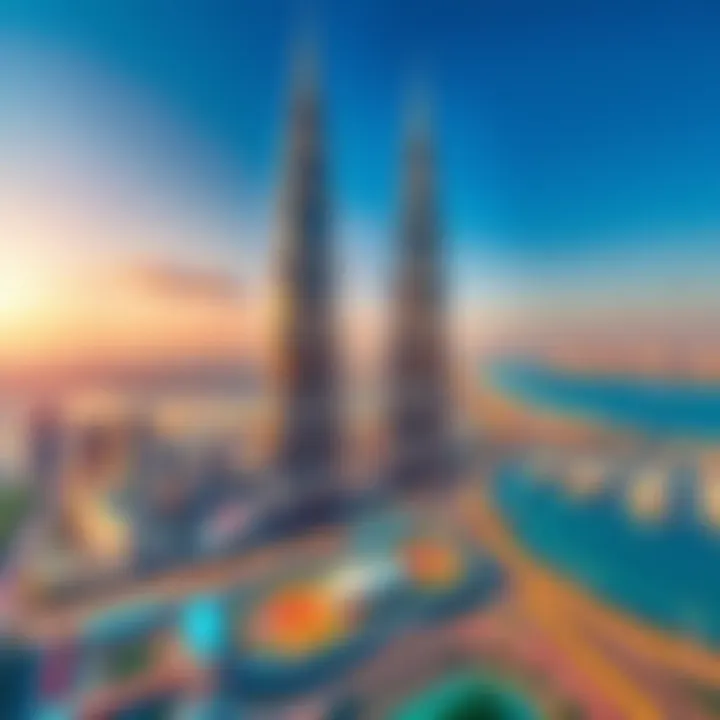
The urban landscape of Dubai is an intricate tapestry woven from architecture, culture, and the relentless drive for innovation. The Twin Towers, standing tall amidst this vibrant cityscap, are not mere buildings; they are essential components of a broader urban narrative that intricately connects both people and spaces. Understanding the urban landscape helps in appreciating how these architectural marvels fit into the larger context of Dubai’s development.
Integration with City Planning
From the start, the Twin Towers were more than just aesthetic choices—they were crucial to Dubai's city planning strategy. Strategically located within the bustling downtown area, their design and placement were meticulously planned to harmonize with existing infrastructural frameworks.
- Zoning Laws: The development adheres to strict zoning regulations aimed at maintaining balance in high-density areas.
- Proximity to Essential Services: Their location allows quick access to government buildings, financial institutions, and other key services.
- Green Spaces: With parks and recreational areas nearby, the towers integrate seamlessly into the urban fabric, providing a breath of fresh air amidst the towering structures.
Each element plays an important role in the surrounding environment. Observers might notice how the towers blend architectural ambition with thoughtful city planning.
Transport Connectivity
A city is only as vibrant as its ability to move people efficiently. The Twin Towers thrive on their unparalleled transport connectivity, linking them to various transport networks that enhance accessibility for everyone.
- Metro Stations: Close proximity to metro stations reduces congestion, allowing ease of movement.
- Bus Routes: Major bus routes intersect with the towers, providing budget-friendly travel options.
- Highway Access: Well-connected highways make it convenient for commuters traveling from distant suburbs to the heart of the city.
With such exceptional transport links, the Twin Towers act as a beacon for both locals and expatriates, offering hassle-free transit that encourages economic activity and social interaction.
Public Spaces and Accessibility
Public spaces around the Twin Towers are not an afterthought; they are intentionally designed to foster community engagement and accessibility. These spaces serve multiple functions, bridging the gap between personal and communal experiences.
- Gathering Spots: Plazas and seating areas encourage informal gatherings, allowing residents and visitors to connect.
- Accessibility Features: Thoughtful design elements ensure that these spaces are accessible to all individuals, including those with disabilities.
- Community Events: Activities such as exhibitions and markets are often hosted in these public areas, showcasing local culture and fostering civic pride.
As one strolls through the surrounding public areas, it becomes clear that they are vital in knitting the social fabric of the city. The Twin Towers and their urban landscape embody not only advancement but a communal spirit that speaks volumes about Dubai's growth.
"The real fabric of a city is not just its architecture, but its people and the spaces they inhabit."
Hence, it's essential to understand how the urban landscape of the Twin Towers acts as a catalyst for Dubai's continual evolution as a global metropolis, engaging both time-honored traditions and the leap into modernity.
For more insights on urban planning and architecture, consider visiting Wikipedia's urban planning section or the Encyclopedia Britannica for more information on the topic.
Societal Impact
Understanding the societal impact of the Twin Towers in Dubai is crucial for grasping how these structures influence the community at large. They are not merely symbols of architectural grandeur but also catalysts of social change and cohesion. These towers serve as a melting pot, attracting expatriates, tourists, and locals alike, fostering a sense of unity amid Dubai's diverse population. The towers play a significant role in reshaping the behavioral dynamics in the urban environment, infusing life into the surrounding areas while highlighting the city's ambitious vision.
Community Engagement Initiatives
Community engagement around the Twin Towers has been instrumental in bridging cultural gaps and promoting interaction among residents. Various initiatives encourage local involvement, ranging from art festivals to open-air markets. For instance, events like the Dubai Shopping Festival, which often features activities centered around the towers, bring people together, creating a vibrant atmosphere.
Moreover, the towers have hosted charity activities aiming to support various social causes. This has led to a heightened awareness of community concerns, and events like "Walk for a Cause" attract thousands and get people moving for something bigger than just themselves.
Additionally, programs that invite local artists to showcase their work in and around the towers enhance the cultural fabric, inviting stories and experiences that resonate with diverse audiences. This engagement helps create a sense of belonging, making the towers not just a place to work or visit, but a beacon for community spirit.
Civic Pride and Identity
The Twin Towers have emerged as icons of civic pride and identity in Dubai. Their towering presence is a constant reminder of what has been achieved and what continues to evolve in this vibrant city. The skyline, dominated by these architectural marvels, fosters a deep sense of pride among locals, instilling an appreciation for their heritage along with an awareness of global modernity.
People in Dubai often refer to them casually, signifying a shared understanding of their importance. They're more than just buildings; they embody the city's dreams and aspirations. Numerous community discussions highlight how working or living near these towers translates to a sense of belonging, contributing to a unique urban identity that melds tradition with modernity.
Challenges of Urbanization
While the Twin Towers symbolize progress, urbanization brings its own set of challenges. Rapid growth leads to issues like traffic congestion and overpopulation. As more people flock to the area to experience the towers' offerings or find employment, the strain on infrastructure becomes evident. This influx can sometimes lead to a feeling of overcrowding, which detracts from the intended beauty of the urban landscape.
Furthermore, retaining cultural integrity amidst this rapid development poses a significant challenge. As new projects emerge around the towers, there's a risk of overshadowing historical sites that hold cultural significance for many residents.
Keep in mind that urban planning strategies are essential to tackle these challenges head-on. Discussions around balancing new developments while preserving historical landmarks resonate in community forums, indicating a desire to maintain the essence of what Dubai represents.
In essence, the Twin Towers of Dubai stand as more than just architectural feats—they represent a fusion of ambition, pride, community, and the intricate dance of urban development, making them central to understanding the city’s ongoing evolution.
Future of the Twin Towers
The future of the Twin Towers of Dubai is a subject of great importance, reflecting broader trends in architecture, urban development, and sustainability. As the world evolves, so must iconic structures that define skylines. The Twin Towers serve as more than just aesthetic landmarks; they represent a vision for urban expansion and environmental responsibility.
Potential Renovations and Upgrades
The possibility of renovations and upgrades to the Twin Towers remains a hot topic. It’s not just about keeping up with the times; it’s about enhancing functionality. For instance, integrating smart building technologies can vastly improve energy efficiency and tenant convenience. Digital systems that manage lighting and climate control intuitively adjust to both occupancy and external conditions, ultimately reducing energy costs.
Moreover, renovations could incorporate better public amenities that encourage interaction among employees and tourists alike. Imagine adding rooftop gardens or open-air spaces that double as social hubs. A direct line of sight to the stunning Dubai Marina from such vantage points could draw both locals and tourists.
Sustainable Development Goals
Moving towards sustainable development goals is not just a trend but a necessity in today’s architecture. The Twin Towers have the potential to lead by example in this regard. New buildings around the world are increasingly focused on achieving lower carbon footprints and using sustainable materials.
Emphasizing water conservation and renewable energy sources are two key areas. Solar panels on rooftops could supply electric needs, while rainwater harvesting systems can support landscaping and other non-potable uses. Implementing such eco-friendly practices doesn’t just meet regulatory demands; it exhibits a commitment to environmental stewardship that residents and visitors appreciate.
Long-term Vision for Dubai
Considering the long-term vision for Dubai, the Twin Towers must align with the city’s ambitions to become a global hub for trade, tourism, and technology. Urban planners envision these towers becoming central to a larger network that connects various districts through eco-friendly transport links.
Additionally, there’s an urgency behind integrating cultural venues and innovative workplaces within these structures. This will not only attract international businesses but also serve as a cultural spearhead, showcasing local art and heritage.
"The future of the Twin Towers is a canvas of potential, painted with the brush of innovation and sustainability."
Ultimately, planning for the future involves collaboration with stakeholders, from government bodies to local communities. Gathering diverse opinions can guide enhancements that reflect the needs and aspirations of the populace.
Incorporating emerging technologies while maintaining the towers’ landmark status is no small feat, yet it’s a challenge worth embracing. As Dubai continues to strive for excellence, the evolution of the Twin Towers will play a crucial role in framing the narrative of the city.
For further insights, you may find these resources useful:
- Wikipedia on Dubai
- Britannica's overview on United Arab Emirates
- Reddit discussions about architectural developments
By staying attuned to these trends and envisioning the Twin Towers' adaptation, Dubai can continue its ascent, ensuring these architectural marvels remain vibrant symbols of its progress.
Ending
The conclusion serves as the final chapter in our exploration of the Twin Towers, encapsulating the insights gleaned from their architectural odyssey and urban significance. It’s not merely a wrap-up; instead, it’s a vital element that crystallizes the essence of our discourse. By reflecting on key elements - like their design ingenuity, cultural resonance, and economic impact - the conclusion resonates deeply with the myriad audiences who interact with these structures, from expatriates to tourists and local residents.
Summary of Insights
Through the detailed presentation of this article, a clearer picture of the Twin Towers begins to surface. These towers are more than just vertical architecture; they are significant landmarks that represent a fusion of modernity and tradition. The following points summarize their intricate role in the city:
- Innovative Design: The architectural features stand as benchmarks in engineering, showcasing how creativity can be harnessed to defy conventional boundaries.
- Cultural Significance: These towers symbolize not only Dubai's growth but also its cultural tapestry, reflecting diverse influences that shape urban identity.
- Economic Booster: The commercial spaces within contribute significantly to the local economy, creating a thriving business ecosystem that sustains growth and innovation.
Overall, the Twin Towers exemplify Dubai's evolution into a global player on the stage of urban excellence.
Final Thoughts on Urban Development
Looking ahead, the story of the Twin Towers will likely continue to evolve. They stand resilient amidst the dynamic shifts in urban planning and societal needs. As Dubai advances towards a sustainable future, these structures must adapt while preserving their iconic status. The ongoing dialogue around urban development highlights the necessity for incorporating innovations and sustainability practices.
Cities like Dubai should take heed; the lessons learned from the Twin Towers' blend of function, form, and community engagement offer a roadmap for future developments. They remind us that urban spaces should not only serve economic purposes but also nurture cultural identities and foster social interactions.
In an era where urbanization is rapid and relentless, it is imperative to keep aesthetic and functionality in harmony. As we wrap up our examination, one cannot help but feel optimistic about the potential futures awaiting not only the Twin Towers but also the broader urban landscape of Dubai.
"The Twin Towers stand as a reminder that architecture is not just about buildings, but about the life they foster within and around them."
By embracing these principles, UAE can further redefine what it means to be a modern metropolis in the 21st century, ensuring that progress does not come at the cost of cultural and historical richness.